
In today’s competitive podcasting world, content is king — but audio quality is the kingdom. Listeners may forgive a beginner’s mistakes, but they will not tolerate poor sound. Echo, background noise, distortion, or uneven volume can quickly drive your audience away.
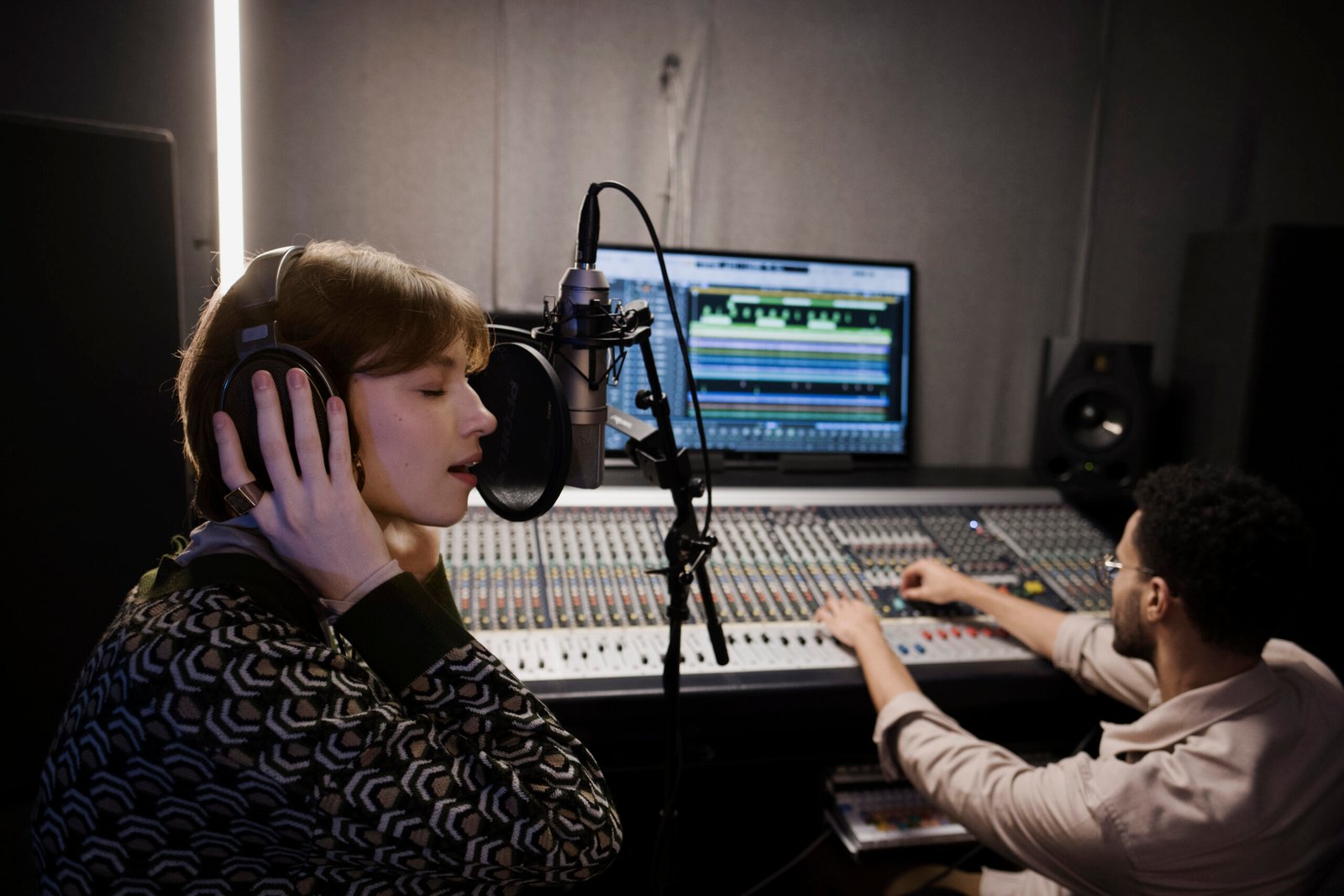
Professional studio recording ensures crystal-clear sound, balanced audio levels, and a distraction-free experience. When your podcast sounds polished, it builds trust and credibility. Your audience subconsciously associates clean audio with professionalism.
A professional studio provides:
- High-end microphones
- Acoustic treatment
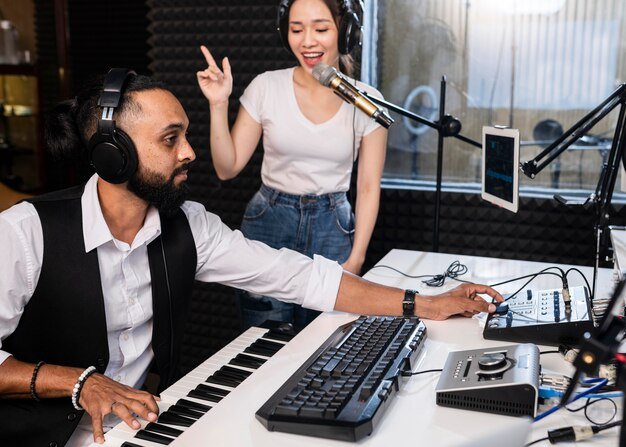
- Audio interfaces & mixers
- Expert sound engineers
- Professional editing and mastering
High-quality audio improves:
- Listener retention
- Brand image
- Shareability
- Monetization opportunities
If you want your podcast to compete with top creators, investing in studio-quality recording isn’t optional — it’s essential.
CTA: Ready to upgrade your sound? Book your professional session today.
2️⃣ Top 10 Podcasting Tips for Beginners in 2026
Starting a podcast can feel overwhelming, but the right approach makes it easier.
Here are 10 essential tips:
- Define your niche clearly.
- Invest in a good microphone.
- Record in a quiet, treated space.
- Plan episodes before recording.
- Keep episodes structured.
- Edit for clarity and pacing.
- Use intro and outro music.
- Publish consistently.
- Promote on social media.
- Track performance analytics.
Consistency and quality will always win over quantity. Focus on delivering value in every episode.
3️⃣ Behind the Scenes: What Happens in a Professional Recording Session
Many creators wonder what actually happens during a studio session.
Step 1: Setup & Mic Testing
Engineers test microphones and adjust levels for optimal sound.
Step 2: Sound Check
Room acoustics and background noise are checked.
Step 3: Recording
You focus on content while engineers monitor levels.
Step 4: Editing
Unwanted noise, pauses, and mistakes are cleaned.
Step 5: Mixing & Mastering
Final polish ensures balanced and broadcast-ready audio.
A studio session removes technical stress so you can focus on delivering great content.
4️⃣ Essential Equipment Every Podcaster Should Use (Even on a Budget)
Even beginners can achieve good audio with the right tools:
- Condenser or dynamic microphone
- Pop filter
- Audio interface
- Closed-back headphones
- Basic editing software
However, home setups can’t fully replace professional acoustic treatment and engineering support.
Combining home preparation with professional studio recording gives the best results.
5️⃣ Storytelling Through Sound: Tips for Engaging Podcast Content
Great podcasts tell compelling stories.
Use these techniques:
- Hook listeners in the first 30 seconds.
- Structure your content (Intro → Main Points → Conclusion).
- Use natural pauses for emphasis.
- Include sound effects or music transitions.
- End with a strong takeaway or CTA.
Storytelling keeps listeners emotionally connected and coming back for more.
6️⃣ From Idea to Episode: A Step-By-Step Podcast Production Workflow
Every successful episode follows a process:
- Brainstorm topic ideas.
- Outline key talking points.
- Script important segments.
- Record professionally.
- Edit and enhance.
- Add intro/outro music.
- Export in correct format.
- Publish to hosting platform.
- Promote on social media.
A structured workflow saves time and ensures consistency.
7️⃣ The Benefits of Voice-Over Services for Businesses & Creators
Voice-overs elevate:
- Explainer videos
- Advertisements
- E-learning courses
- Corporate presentations
- YouTube videos
Professional voice-over recording ensures:
- Clear pronunciation
- Proper tone
- Emotion control
- Studio-quality sound
Your brand voice should reflect your professionalism.
8️⃣ How to Record Interview Podcasts with Remote Guests Like a Pro
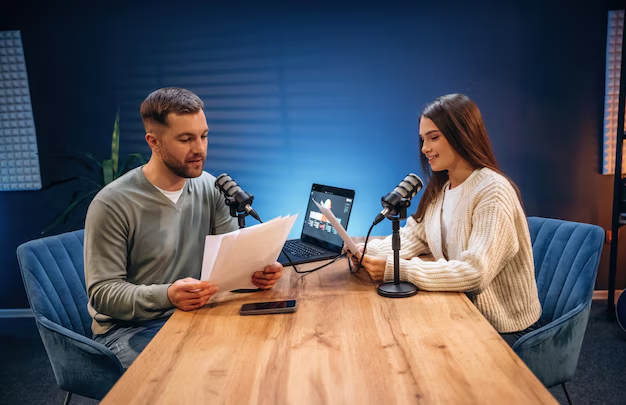
Interview podcasts require extra care.
Tips:
- Ask guests to use headphones.
- Request a quiet room.
- Record separate tracks if possible.
- Use backup recording.
- Test internet connection beforehand.
Editing helps remove cross-talk and background noise for a smooth final product.
9️⃣ Studio Success Stories: How Professional Recording Helped Creators Grow
Many creators notice growth after upgrading to professional audio:
- Increased downloads
- Better listener reviews
- Brand sponsorship opportunities
- Stronger authority in their niche
Professional presentation builds trust, and trust builds audience loyalty.
🔟 Podcast Editing Techniques That Make Your Audio Sound Professional
Editing transforms raw recordings into polished episodes.
Key techniques:
- Noise reduction
- Equalization (EQ)
- Compression
- Normalization
- Removing filler words
- Adding transitions
Good editing enhances clarity without making the audio sound unnatural.