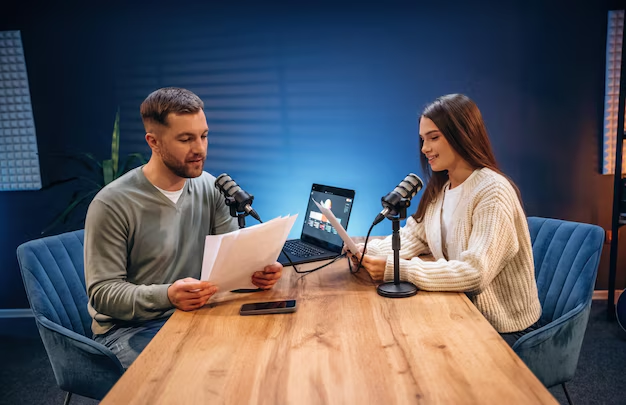

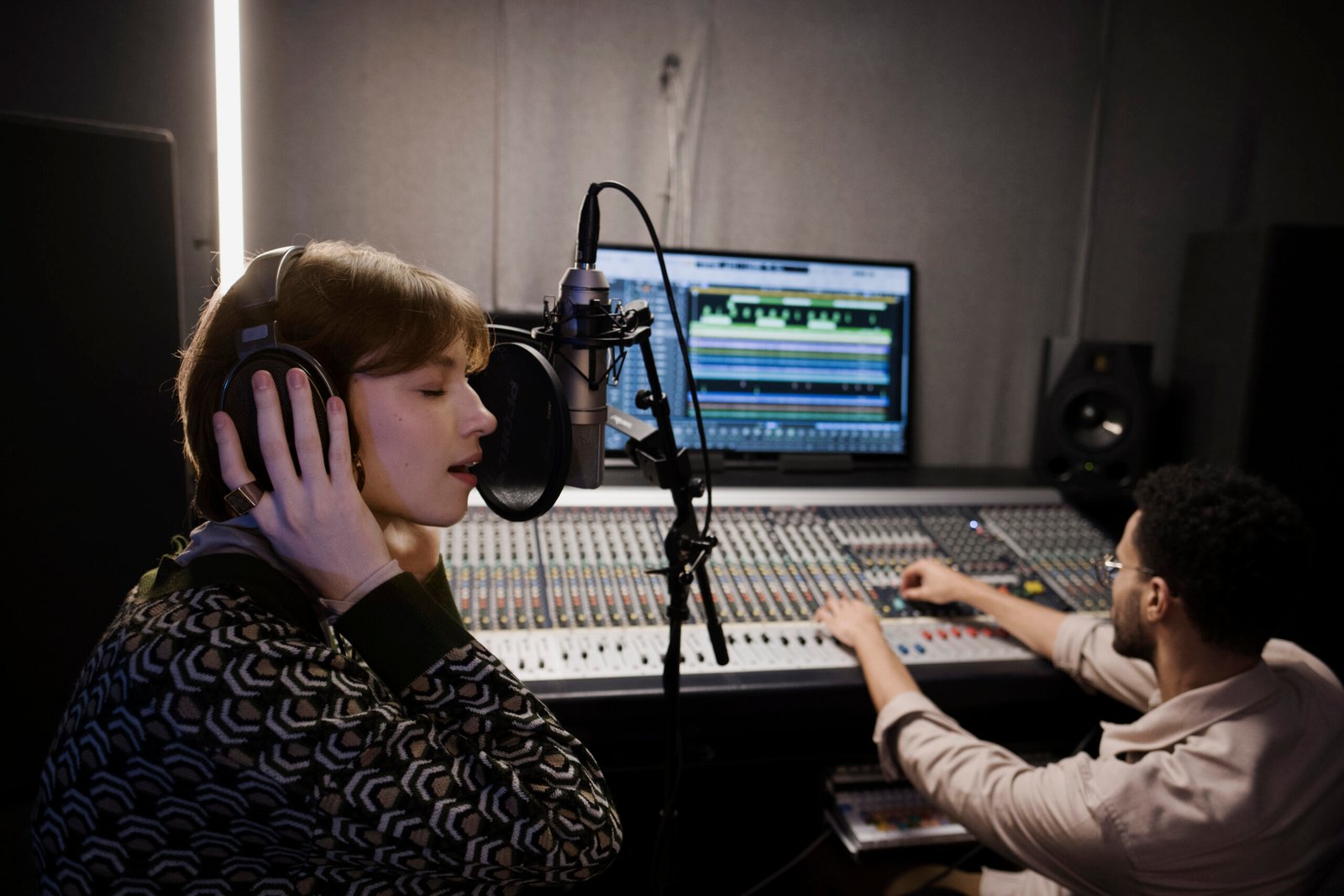
Recording is only half the job. The real magic happens in editing.
Even the best microphones and studio setups still require post-production work to transform raw audio into a polished, broadcast-ready episode. Professional editing improves clarity, consistency, and overall listening experience.
Here are the essential podcast editing techniques that make your audio sound truly professional.
🎯 1️⃣ Remove Background Noise
Every recording contains some level of background noise — fans, hums, traffic, or room tone.
Use:
- Noise reduction tools
- Noise gates
- Room tone sampling
Be careful not to over-process, or your voice may sound robotic. The goal is subtle cleanup, not artificial sound.
✂️ 2️⃣ Cut Long Pauses and Mistakes
Silence can be powerful — but too much feels awkward.
Remove:
- Long dead air gaps
- Retakes
- Repeated sentences
- Off-topic tangents
Tight editing keeps the episode flowing naturally.
🗣️ 3️⃣ Reduce Filler Words
Words like:
- “Um”
- “Uh”
- “Like”
- “You know”
Are natural in speech — but excessive use distracts listeners.
Remove obvious fillers while keeping conversation natural. Don’t over-edit or it will sound unnatural.
🎚️ 4️⃣ Apply Equalization (EQ)
EQ shapes your voice tone.
Typical podcast EQ adjustments:
- Slight boost in mid-range for clarity
- Reduce muddy low frequencies
- Soften harsh high frequencies
Proper EQ makes voices sound warm, clean, and clear.
📊 5️⃣ Use Compression for Balanced Volume
Compression reduces the difference between loud and soft parts.
Benefits:
✔ Consistent volume levels
✔ More professional sound
✔ Improved clarity
Light compression helps listeners avoid constantly adjusting their volume.
🔊 6️⃣ Normalize Audio Levels
Different podcast platforms have recommended loudness standards.
Normalization ensures:
- Consistent playback across devices
- Competitive loudness
- No distortion
This step prepares your episode for Spotify, Apple Podcasts, and other platforms.
🎶 7️⃣ Add Intro, Outro & Transitions
Music adds professionalism and structure.
Use:
- Branded intro music
- Smooth transitions between segments
- Outro music with call-to-action
Keep music levels balanced so it doesn’t overpower voices.
🎧 8️⃣ Remove Plosives & Harsh Sounds
Plosives (“P” and “B” pops) and sharp “S” sounds can be distracting.
Fix using:
- De-esser plugins
- Manual waveform edits
- Proper mic placement during recording
Clean vocals make a huge difference in listener comfort.
🧩 9️⃣ Balance Multiple Speakers
For interview podcasts:
- Adjust each voice level separately
- Match tonal balance
- Remove cross-talk
- Clean background noise individually
Separate audio tracks make this much easier.
🎛️ 🔟 Mastering for Final Polish
Mastering is the final step.
It includes:
✔ Final EQ adjustments
✔ Limiting
✔ Loudness optimization
✔ Export formatting
Mastering ensures your podcast sounds consistent and platform-ready.
🎯 Pro Editing Workflow Example
Raw Recording → Noise Reduction → Cut Mistakes → EQ → Compression → De-esser → Add Music → Normalize → Export
Following a consistent workflow ensures every episode meets professional standards.
🚀 Why Editing Matters So Much
Professional editing:
✔ Increases listener retention
✔ Improves brand credibility
✔ Enhances clarity
✔ Creates smooth flow
✔ Makes your podcast binge-worthy
Listeners may not consciously notice great editing — but they immediately notice poor editing.
🏁 Final Thoughts
Great podcasts aren’t just recorded — they’re crafted.
When you combine:
- Clean recording
- Smart editing techniques
- Balanced mixing
- Professional mastering